Tracing the Development of User Guides for High-Stakes Table Games Amidst Shifting Compliance Rules in Online Betting
Viktor Long · Aug 18, 2026
Tracing the Development of User Guides for High-Stakes Table Games Amidst Shifting Compliance Rules in Online Betting
High-stakes table games such as blackjack, roulette and poker have required detailed user guides since the earliest days of licensed online platforms, and those documents have grown more complex as compliance frameworks expanded across multiple jurisdictions. Operators began by publishing basic rule summaries and payout tables in the late 1990s, yet regulators soon demanded clearer disclosures around game mechanics, bet limits and dispute resolution. Over the following two decades those initial pamphlets evolved into layered digital resources that incorporate identity verification steps, anti-money laundering flags and responsible gaming prompts tailored to large wager volumes.
Initial Formats and Early Regulatory Pressures
Platform operators in the first wave of online licensing relied on static PDF documents that listed card values, dealer procedures and minimum-maximum bet ranges, while compliance language remained minimal because most licensing bodies focused on software fairness rather than player protection. As transaction volumes rose, authorities in several regions began requiring operators to embed warnings about account verification timelines adn source-of-funds checks directly into the same guides that explained game strategy. This integration marked the first structural shift away from purely instructional material toward hybrid compliance documents that addressed both gameplay and legal obligations.
Expansion of Content Requirements
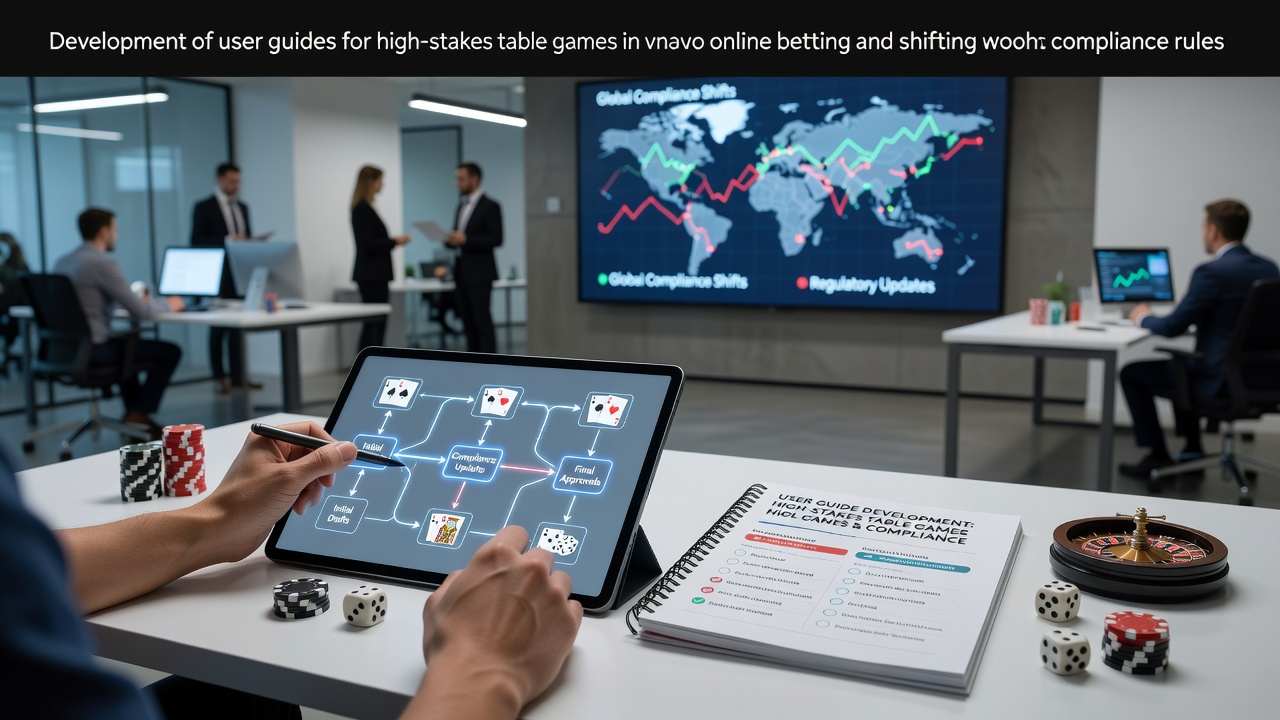
By the mid-2010s many licensing regimes had introduced mandatory sections on data handling, third-party auditing and self-exclusion tools, so user guides lengthened accordingly and began to feature flowcharts that illustrated how a high-stakes session triggered additional identity reviews. Researchers tracking these changes noted that the average length of a high-limit blackjack guide increased from roughly four pages in 2010 to more than twelve pages by 2018, with the added content devoted primarily to regulatory disclosures rather than strategy tips. Those who manage platform documentation reported that updates now occur quarterly in most markets because new rules on bet reporting thresholds and cross-border data transfers arrive at regular intervals.
Regional Variations and Synchronized Updates
Different licensing territories adopted distinct approaches to the same underlying requirement, which forced operators to maintain region-specific versions of each guide. European regulators emphasized consumer information on game return percentages and session timers, whereas North American and Australian frameworks placed heavier weight on transaction monitoring language and real-time alerts when stakes exceed defined thresholds. In August 2026 several North American and Asia-Pacific authorities aligned their reporting calendars, prompting operators to release synchronized guide revisions that incorporated unified language on suspicious activity reporting for table games exceeding €50,000 in a single session. The coordination reduced duplication yet increased the technical complexity of version control across multilingual platforms.

Digital Delivery and Interactive Elements
Static PDFs gradually gave way to in-client modules that surface relevant compliance text at the moment a player selects a high-stakes table. Tooltips now appear when a bet size crosses a regulatory threshold, and clickable references open jurisdiction-specific rule excerpts without forcing the user to leave the game window. Data from platform analytics indicate that these contextual prompts reduce support ticket volume related to verification delays, because players encounter the required information before they initiate large wagers. Industry associations such as the European Gaming and Betting Association have documented similar patterns across multiple operators, showing that interactive guides cut average reading time while still satisfying disclosure mandates.
Technical and Legal Integration Challenges
Developers responsible for maintaining these resources face ongoing pressure to reconcile rapid rule changes with the need for consistent player experience across desktop and mobile environments. When a new transaction monitoring rule takes effect, the corresponding text must appear in every language version and must reference the correct legal citation without disrupting the visual layout of strategy tables or payout charts. Testing protocols now include compliance audits alongside usability checks, and operators routinely archive previous guide iterations to demonstrate historical adherence during licensing renewals. One study released by a Canadian research consortium tracked thirty-six separate rule amendments between 2022 and 2025 that each required at least one modification to high-stakes table game documentation.
Conclusion
The trajectory of user guides for high-stakes table games reflects a steady convergence of instructional clarity and regulatory precision. Early rule summaries have expanded into dynamic, jurisdiction-aware resources that embed compliance messaging at every relevant decision point. As licensing bodies continue to refine reporting thresholds and verification standards, platform operators adjust both content and delivery mechanisms to maintain alignment while preserving accessibility for players engaged in high-value sessions. The pattern established through successive regulatory cycles suggests that future updates will focus on further automation of contextual disclosures rather than wholesale redesign of the underlying documentation framework.